Everything You Need to Know About Group Health Insurance in Chicago

Supporting Employee Health Coverage During Business Relocation
Businesses and professionals often face complex decisions when planning a relocation or expansion to another city. Beyond finding a new office or home, there are important considerations related to employee well being, benefits planning, and transportation logistics. Companies that want reliable guidance on group medical coverage can contact us at chicagogrouphealthinsurance.com to learn about options that help support employees during transitions. Health coverage plays a vital role in maintaining workforce stability, especially when teams are adjusting to new environments and schedules.
Ensuring Safe Vehicle Delivery Between Cities
Relocation also involves practical logistics such as moving equipment, personal belongings, and vehicles across long distances. Many professionals prefer to organize transportation services in advance to avoid delays and unexpected costs. For dependable vehicle transport planning and scheduling assistance, individuals and businesses can visit site sanfranciscoautotransport.net to coordinate safe delivery of vehicles between locations. When transportation and benefits planning are handled early, the overall relocation process becomes far more manageable.
Why Health Coverage Matters During a Relocation
Employee health benefits are often one of the most important factors in job satisfaction and retention. When businesses relocate or expand into new regions, workers may experience uncertainty about their medical coverage, provider networks, and eligibility requirements. A well structured group health insurance plan helps reduce that uncertainty.
Employers who maintain consistent coverage during transitions demonstrate commitment to their workforce. This approach not only supports employee wellness but also strengthens trust within the organization. Workers who feel secure about their healthcare are more likely to remain productive and focused during a move or business transition.
In addition, many companies evaluate state specific regulations and compliance requirements when relocating employees. Understanding these requirements ensures that benefits packages remain compliant and accessible for the entire team.
Coordinating Logistics and Transportation
Relocation often requires careful coordination between moving services, travel schedules, and vehicle transportation. While some individuals choose to drive their vehicles long distances, this option may not always be practical. Long road trips can add expenses related to fuel, lodging, and time away from work.
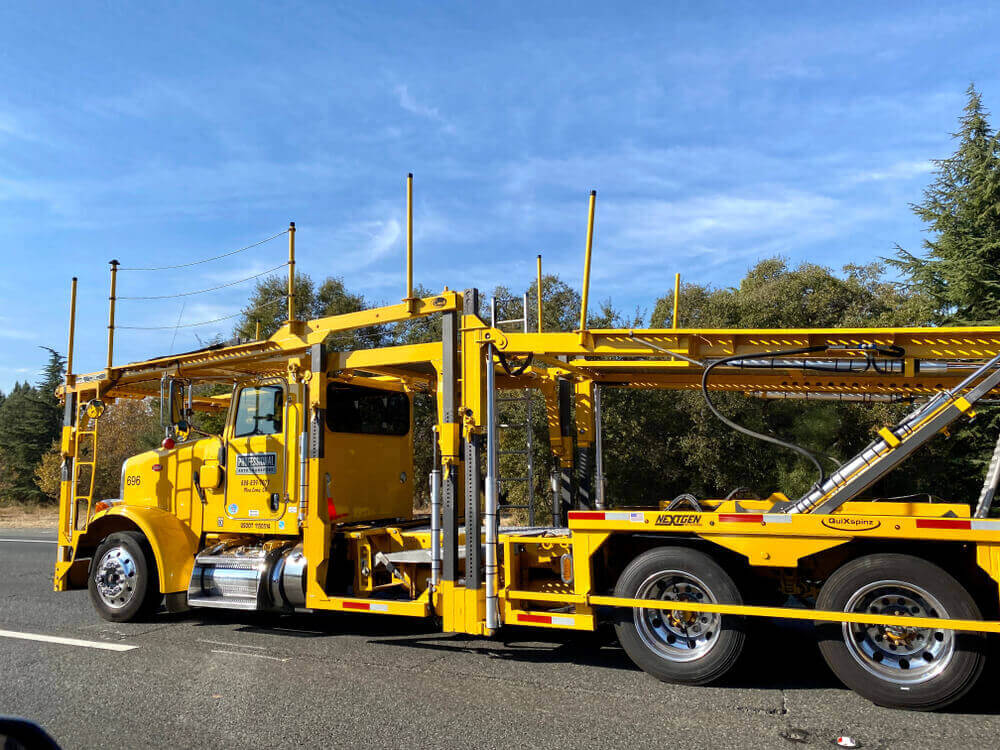
Professional auto transport services offer an alternative solution that allows individuals to focus on settling into their new location while transportation specialists handle the vehicle delivery. This service is especially useful for corporate relocations, seasonal moves, and cross country transfers.
By arranging transportation in advance, businesses can avoid delays and ensure that employees have access to their vehicles soon after arriving at their destination.
Understanding Employee Benefit Regulations
Organizations that provide group health coverage must follow specific federal regulations. These rules help ensure that employees receive fair access to healthcare benefits and clear information about their rights. Employers often consult official resources to stay informed about benefit administration and compliance guidelines. A helpful resource for understanding employee benefit protections and responsibilities can be found through the Employee Benefits Security Administration.
This resource explains important topics such as employer responsibilities, plan transparency, and employee rights. Access to reliable information helps businesses maintain responsible benefit programs that protect both employers and workers.
Making the Transition Easy for Workers
A successful relocation strategy goes beyond moving boxes and furniture. Businesses that prioritize employee experience often take several steps to create a smoother transition. These steps may include:
- Providing clear communication about benefits and relocation timelines
- Coordinating transportation and logistics ahead of time
- Offering assistance with housing or temporary accommodations
- Ensuring that health insurance coverage continues without interruption
These strategies help reduce stress for employees and allow them to focus on their new responsibilities rather than worrying about logistical challenges.
Advantages of Organized Relocation Planning in the Long Run
Companies that approach relocation with a clear plan often experience stronger results. Organized planning improves efficiency, protects employee satisfaction, and minimizes unexpected costs. When benefits coverage and transportation logistics are aligned, employees can adapt more quickly to their new environment.
Relocation can represent a major opportunity for growth. Businesses may expand into new markets, reach different customer bases, and strengthen their workforce in the process. By supporting employees with reliable health coverage and organized transportation planning, companies create a foundation for long term success.
Ultimately, thoughtful preparation ensures that both employers and employees benefit from the transition. A well managed move supports productivity, reduces uncertainty, and allows teams to focus on building success in their new location.